International conference on Quality Education: CIMQUSEF

  • Increase font size
  • Default font size
  • Decrease font size
Welcome to the Frontpage

What is the CIMQUSEF?

E-mail Print PDF

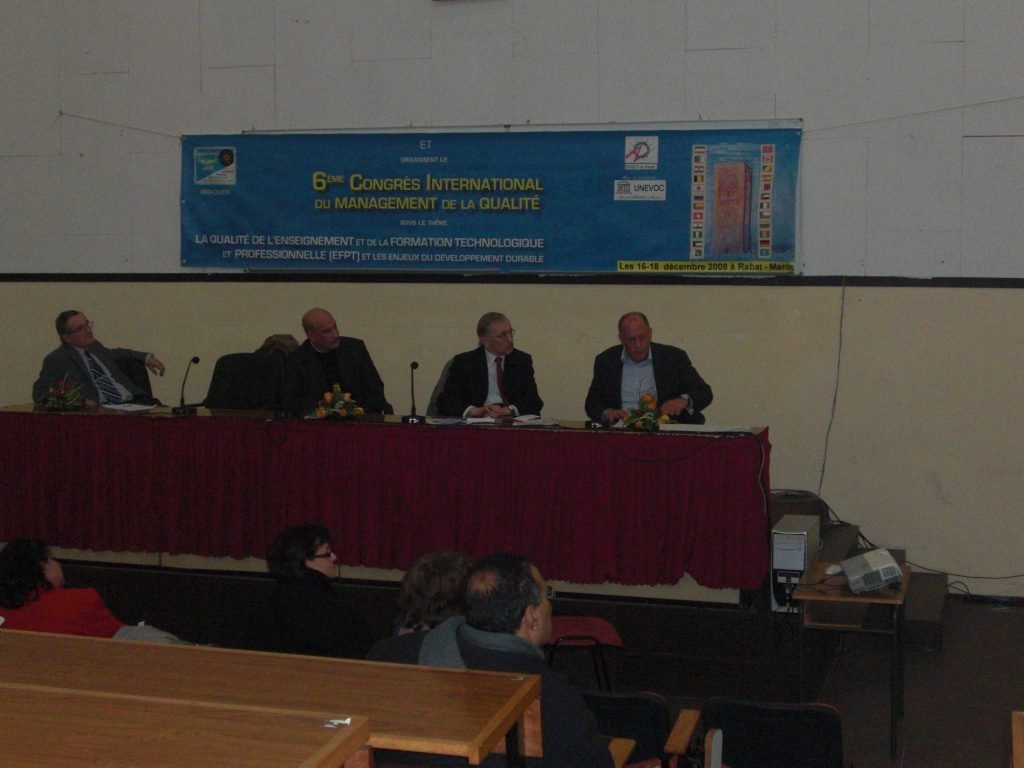
CIMQUSEF is the international event that is powered by AMAQUEN The conference called the International Conference on Quality Management in the Systems of Education and Training, is a Copyright. The content of articles presented in each CIMQUSEF is licensed under the CIMQUSEF Electronic Documentation Label. All data entered into this Web site are copyrighted by their respective copyright owners.

CIMQUSEF'2010 is organized in collaboration between AMAQUEN and the moroccan ministry of national education, higher education and scientific research.

Last Updated on Sunday, 11 April 2010 18:38
 

The CIMQUSEF participants

E-mail Print PDF
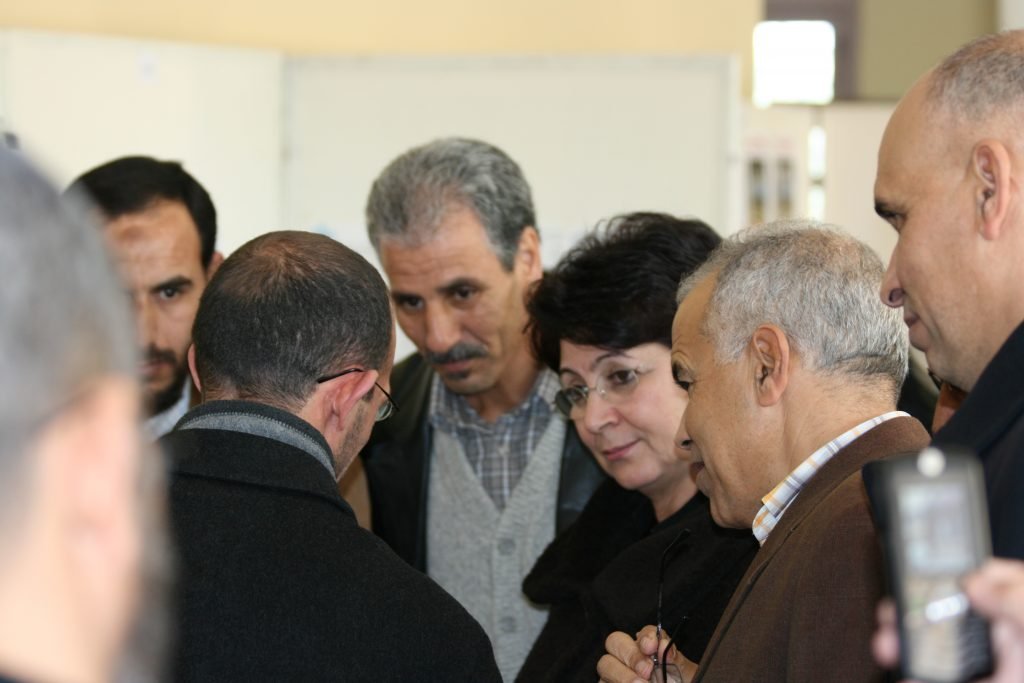
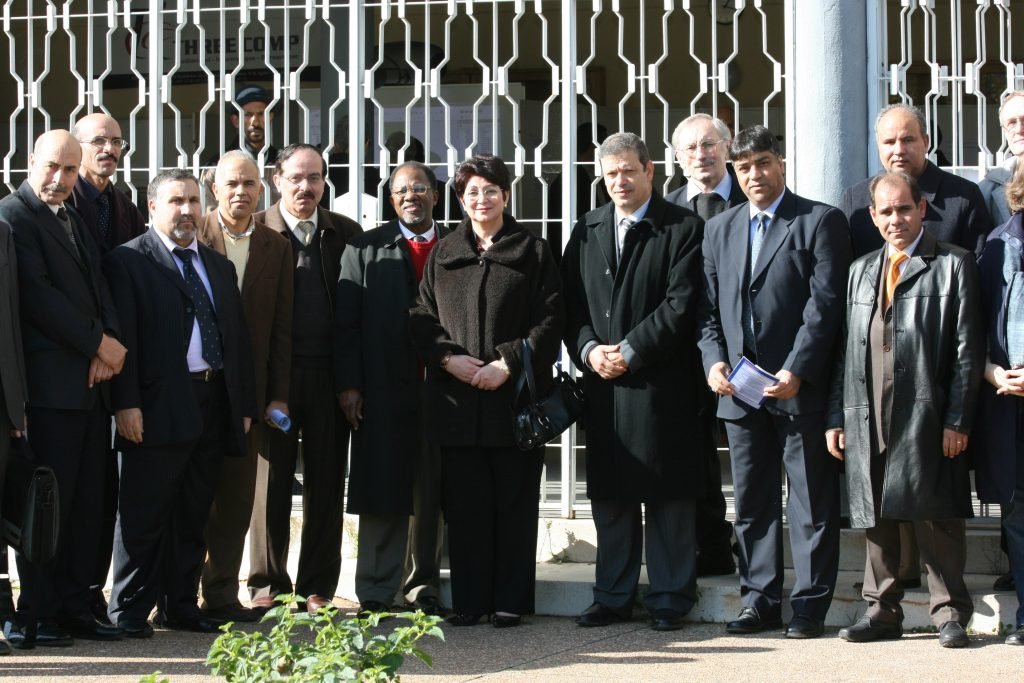
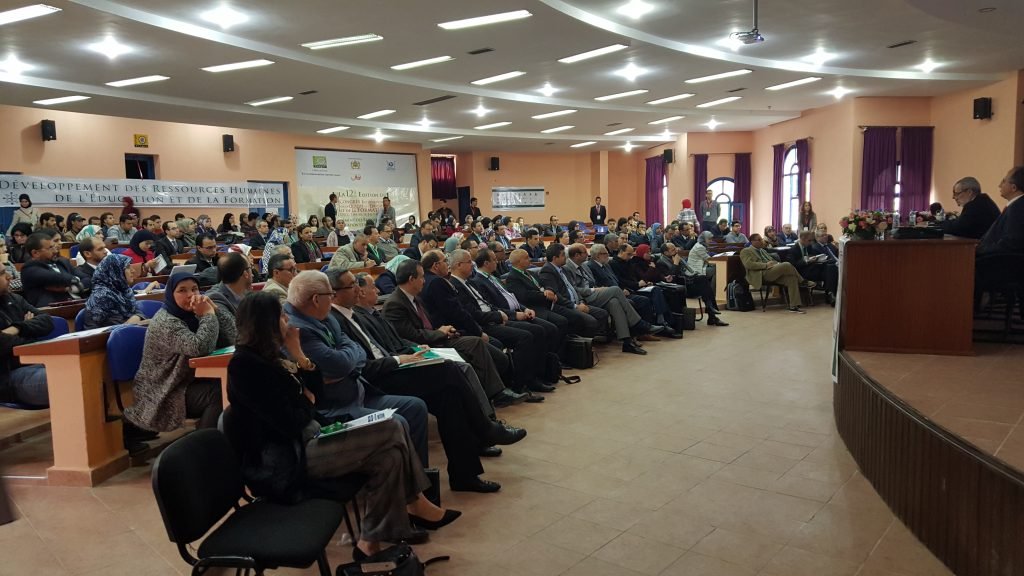
A significant number of experts and researchers from about thirty countries in five continents participate annually in CIMQUSEF. After six years of existence, more than a thousand people from 61 countries have trusted the CIMQUSEF. These rectors or vice-rectors of universities, deans of faculties, directors of research centers, researchers, teachers, educational policymakers and leaders of quality assurance. Companies are also involved in CIMQUSEF is to share their expertise with other participants or to expose their products.
Last Updated on Monday, 06 April 2009 18:25
 

Conference fees

E-mail Print PDF

The conference is not free.

For a traditional registration, the expected fees are settled to 300 €. For any other registration coming from the Southern countries the expected fees are lowered to 200 €. Students have to pay 150 €, while the preferential rate for Southern students is set to 100 €. In both cases, a copy of the student card is requested. These fees are covering the participation to the conference, the CD’s proceedings, the lunches and the Gala Dinner.

Checks should be payable to AMAQUEN

Bank transfers are made into bank account

No. 178 780 2111 1 51435620003 90

BIC: BCPOMAMC

 
Account name: AMAQUEN

Banque Populaire -
Agence BADR - Casablanca - Morocco

Last Updated on Tuesday, 16 February 2010 10:23
 

Topics of CIMQUSEF'2010

E-mail Print PDF
 

1.      The effect of Benchmarks on the higher education system in the Europe of Bologna.

Since the summit conference of Bergen in 2005, the Bologna process adopted indicators allowing to measure and compare reforms’ overhangs of the different signatory countries. Communications about the measuring techniques, about induced problems are expected but also communications about effects of this indicators introduction or even about the political process that led to their adoption.

2.      Benchmarking and national sovereignty

Benchmarking assumes to pick up information about the performance of the main competitors and to set its own objectives on base of these performances. The project of one single country is by this way directly linked with the realizations of the others. How is conciliating the construction of a self-powered project and the benchmarking technique which is assuming to align itself on the competitors, mainly within the countries with a strong centralist tradition?

3.      Education and training 2010

Decided in Barcelona in 2002, the "Education and training 2010" program is aiming to coordinate the action of the European states on three objectives. The method is here standing on the benchmarks. Which assessments can we derive from their implementation? Which analyze can we build from this kind of management of public policies combining the benchmarks and the Open Method of coordination?

4.      Towards a global education system?

Main reforms are being implemented in the higher education systems all across the continents. Inspired by the benchmarking, they are all aiming to attempt the setting of a higher quality than the competitors’ one. Is this way of regulating education by competition the only expectable one or is it the most expedient one? Couldn’t we imagine other systems which, instead of mobilizing resources on competition, would drive to a cooperation focusing the development and the universal diffusion of knowledge, skills and techniques adapted to the human needs and to the resources in supply?

5.    Construction of reliable and relevant indicators

Build reliable indicators and able to report on the state of education and training is a prerequisite for a good governance of these systems. The model context-inputs-process-output-outcomes is often used to build the education indicators. What is the relevance of such a model, and what other models can be used as standards for the construction of indicators? What are the measurement methods and procedures for validation and calibration of the indicators chosen? How to ensure comparability of the indicators in space and time? What methods and instruments used for analysis and interpretation of the phenomena studied using the indicators?

6.    The system of indicators, an indispensable tool of management

Management is the decision-making at macro, meso and micro levels of a system of education and training to achieve the objectives. The indicators used in this piloting should be a tool for assessing and monitoring the quality of education and training. How to incorporate these indicators into a framework of quality of education and training? What is the structure of such a framework and what methods and instruments can be used to evaluate its implementation? How to use the indicators to drive the systems of education and training? How to coordinate decision-making between the macro, meso and micro levels?

Last Updated on Tuesday, 21 April 2009 15:50
 

Who's Online

We have 3 guests online

Newsflash

Topics of the conference : 


  1. The effect of Benchmarks on the higher education system in the Europe of Bologna.
  2. Benchmarking and national sovereignty
  3. Education and training 2010
  4. Towards a global education system?
  5. Construction of reliable and relevant indicators
  6. The system of indicators, an indispensable tool of management